If Antiques Could Talk: A story about the Mice made by George Tinworth
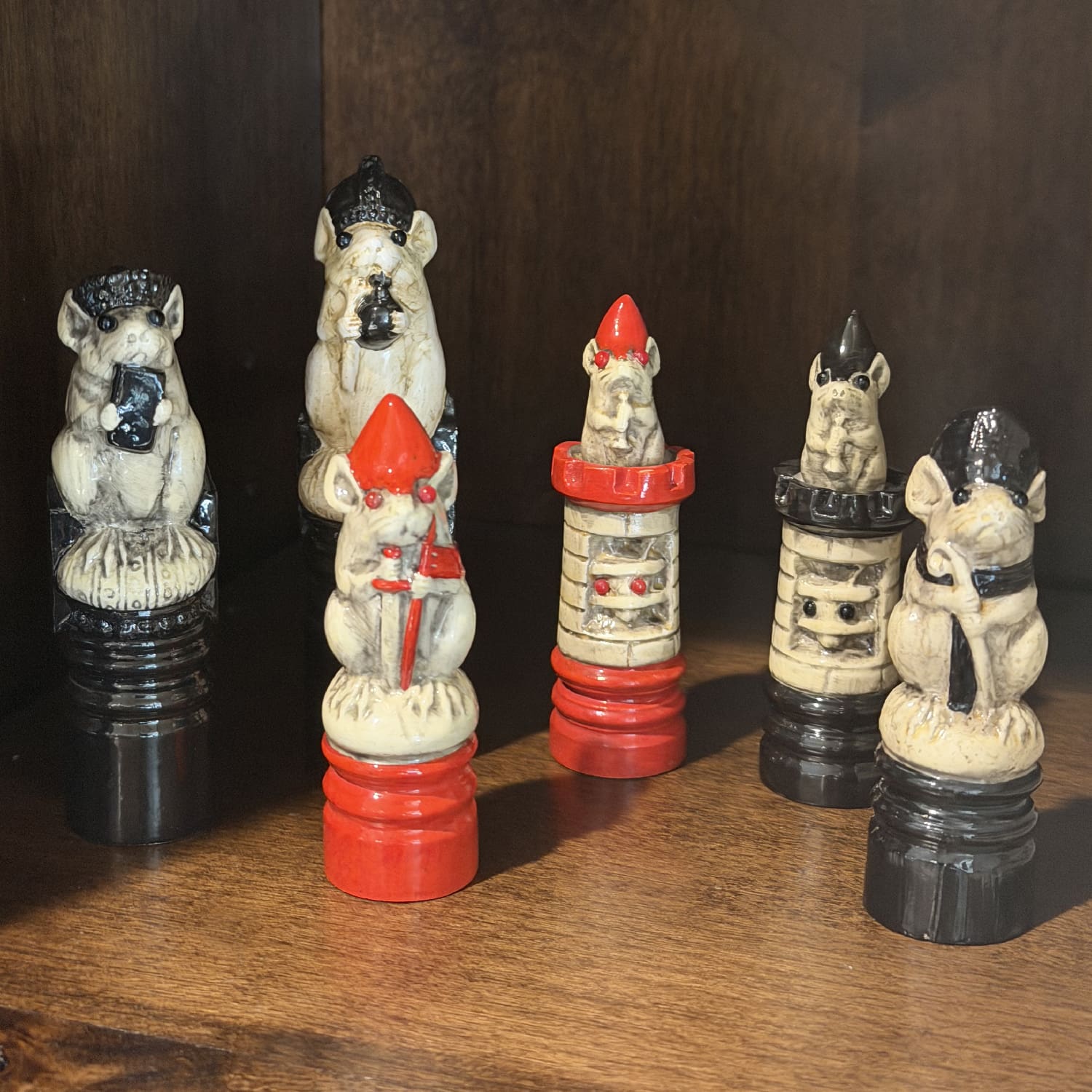
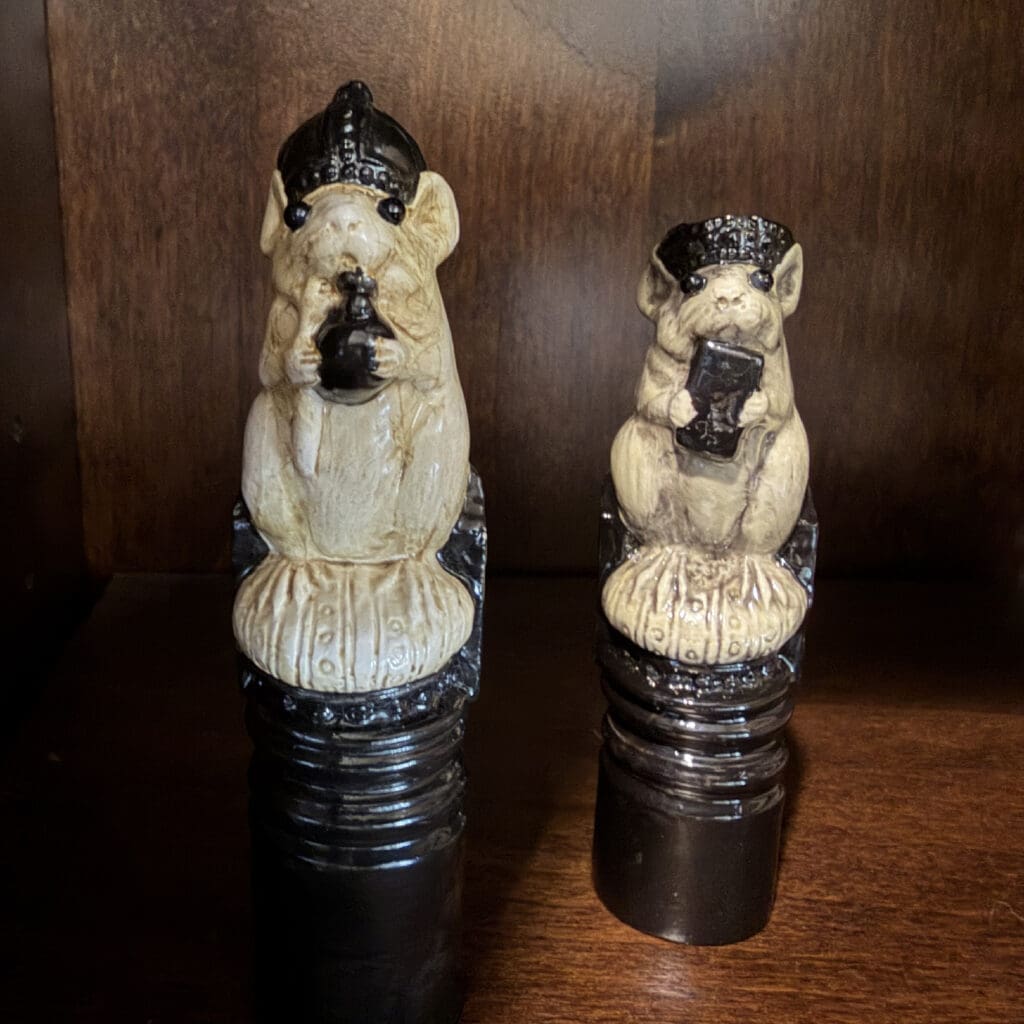
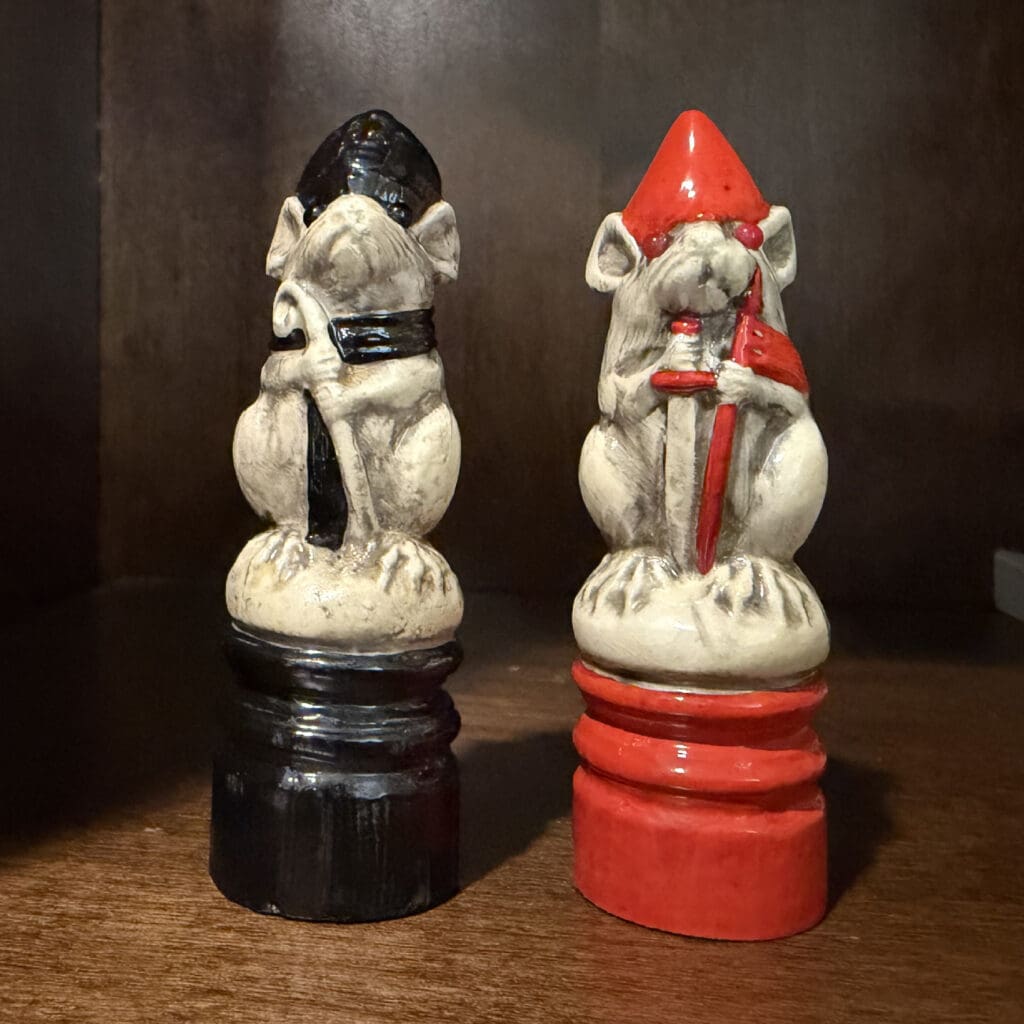
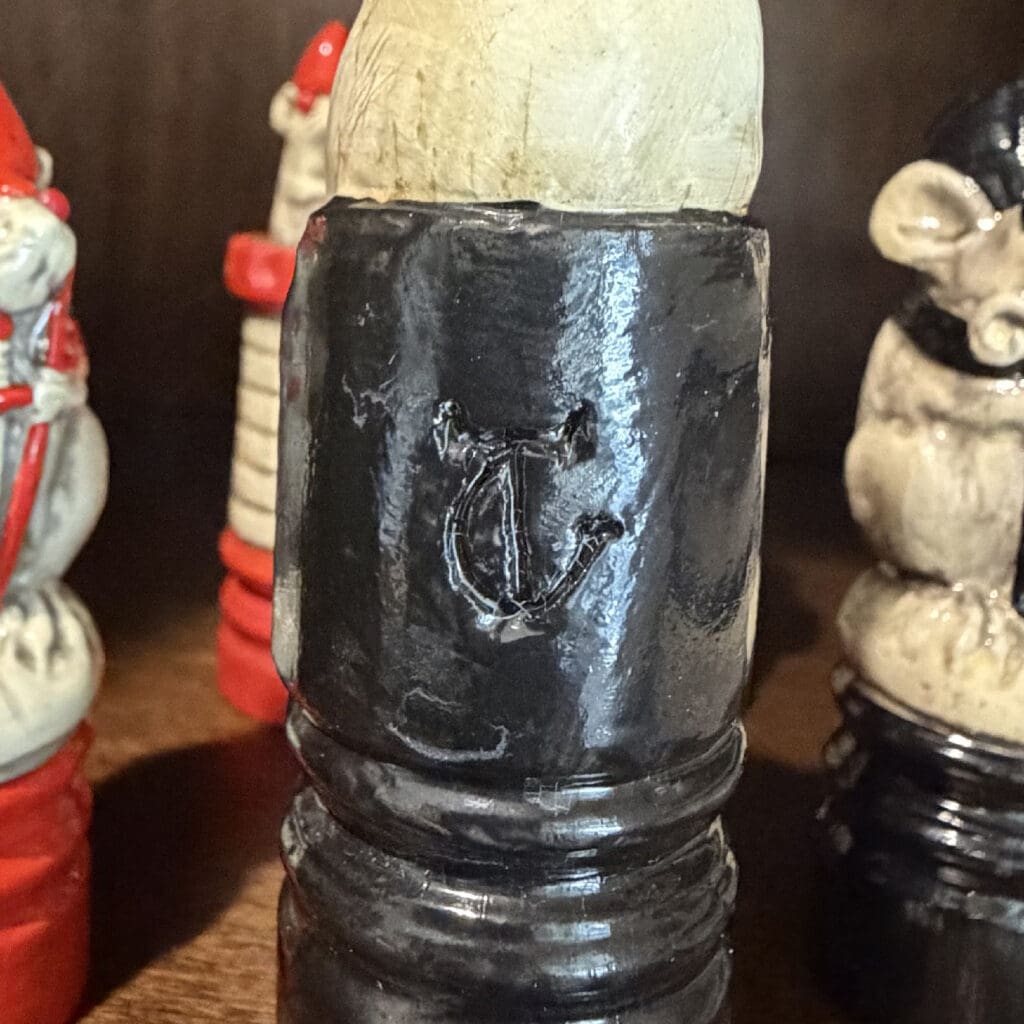
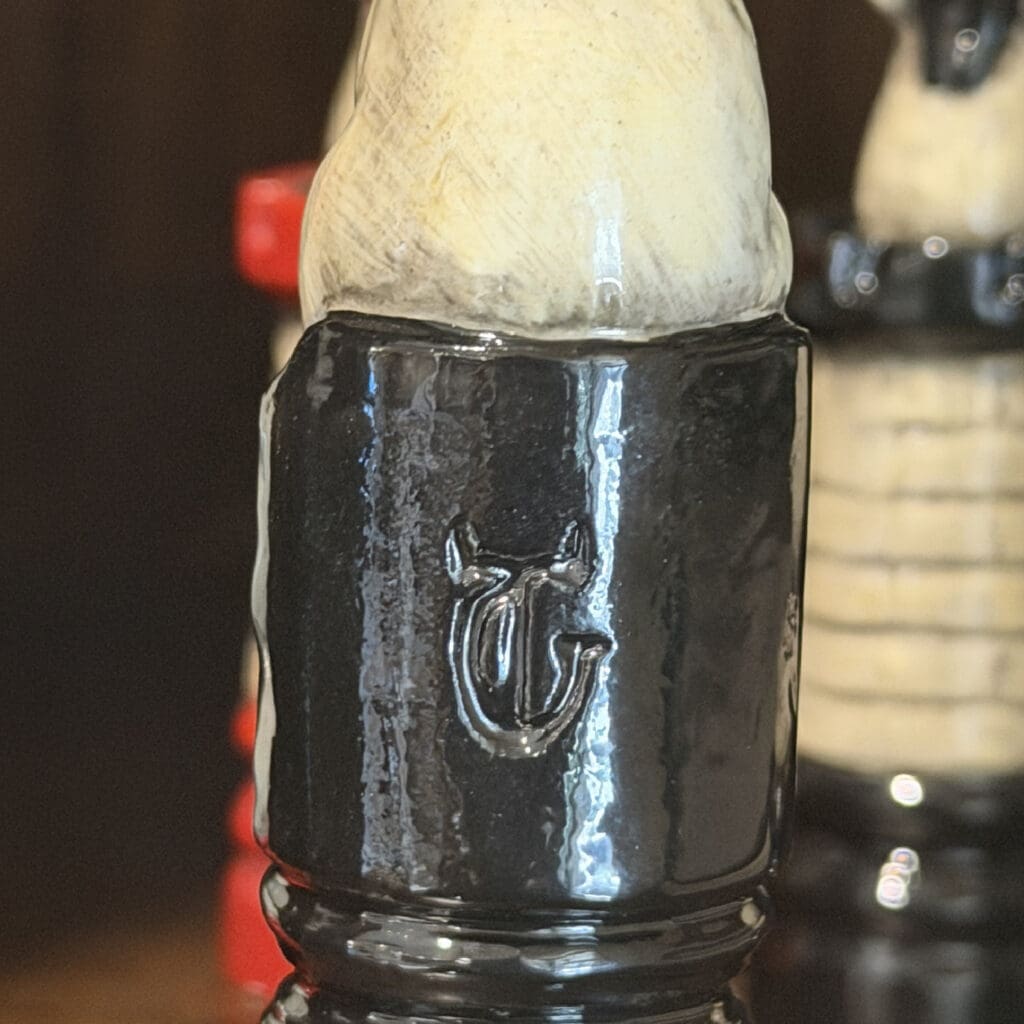
In the gaslit shadows of Victorian London, circa 1885, George Tinworth shaped not just clay, but wonder: a chess set of mice, each piece a hand-crafted masterpiece in fine Doulton stoneware, their features so delightful and lifelike it was as if magic clung to every curve.
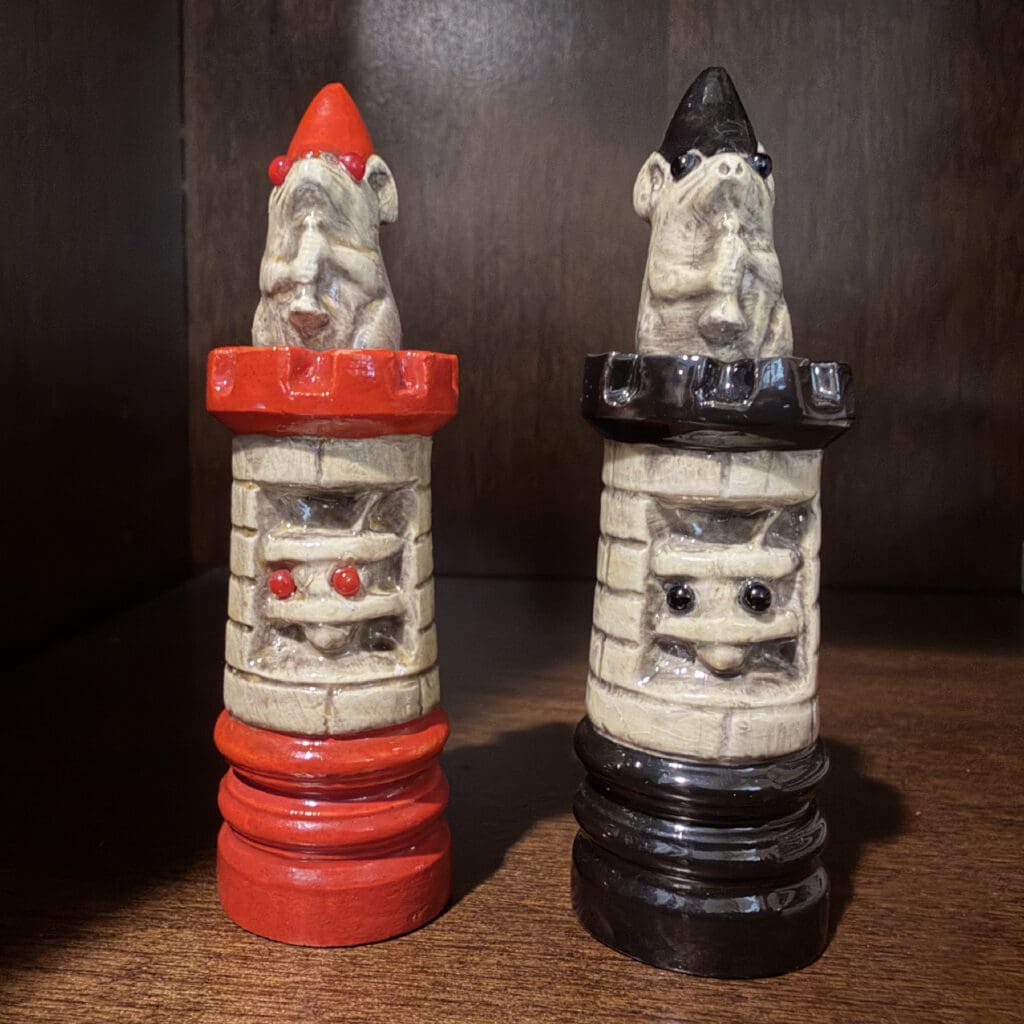
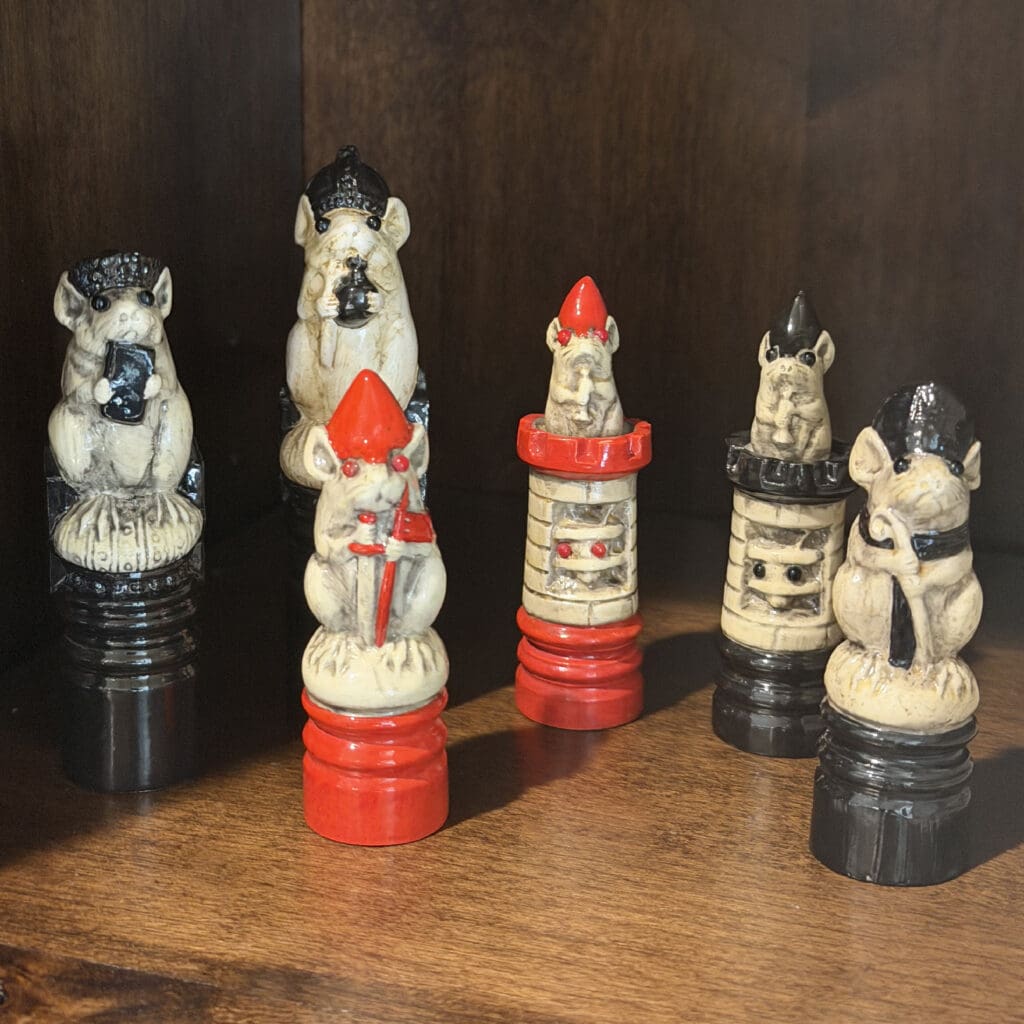
Legend (which, to be clear, was invented by the neighborhood cat) claims that at the stroke of midnight, Tinworth’s studio fell silent. The mice, still glistening from the kiln, gave a collective shudder—part excitement, part the after-effects of being fired at 1,200 degrees. A swirl of silvery dust (or perhaps just the remains of last week’s biscuit) filled the air as, one by one, the mice blinked open their shiny little eyes.
The King Mouse stood, regal and wise, muttering about tax reform. The Queen, notorious for her winning streak, summoned her knights. Bishops whispered in riddles (mostly about cheese), pawns nervously polished their own ears, and rooks spun themselves dizzy, convinced they were secretly wind-up toys.
With a tap of the Queen’s paw, the game began—not just chess, but a spectacle worthy of any West End stage: leaps between squares, dramatic feints, the occasional triple backflip (scoring tens from an imaginary mouse judge). With every move, the chessboard transformed: rooks became rolling wheels of cheese, bishops briefly moonlighted as fortune tellers, and knights galloped in dizzying circles, chased by pawns with dramatic fake mustaches.
All night, the mice played, danced, and argued over the rules (the Queen insisted pawn promotion required a cheese offering). At dawn, hearing George’s footsteps, they scrambled back into place—stone-still and innocent, but with a suspiciously smug glint in their eyes. George Tinworth, for his part, never suspected a thing—though he often wondered why his chess set smelled faintly of brie.
About George Tinworth. George Tinworth was a pioneer at the Doulton Lambeth pottery, celebrated for his exceptional skill and imagination. Born in 1843, Tinworth overcame humble beginnings and the challenges of poverty to become one of the foremost ceramic artists of his era. His work was renowned for its meticulous craftsmanship, inventive forms, and playful spirit—qualities perfectly embodied by his rare mouse chess pieces. Though he created grand sculptures and exhibited at the Royal Academy, these small, lively masterpieces demonstrate Tinworth’s boundless creativity and are highly collectible.
This very rare set of six pieces is available for sale.